AI creator discovery: how brands screen creators and what to do
AI creator discovery is here: according to a CreatorIQ survey cited by 5WPR, 35% of brands use AI to find and screen creators. What it means for your profile, plus a 5-question checklist to see how AI describes you.

By Rubén García · October 21, 2026 · 6 min
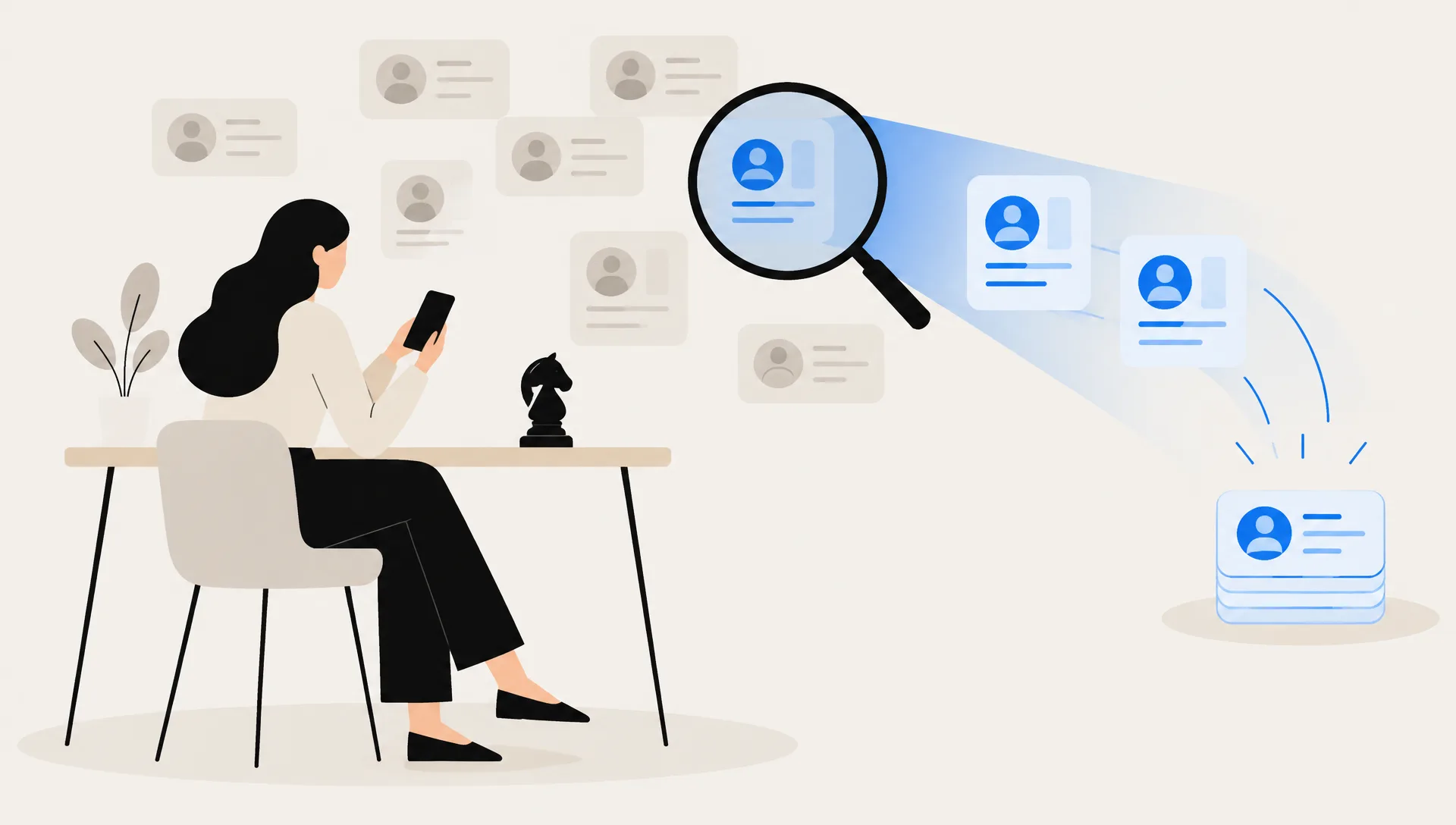
Just over 1 in 3 brands already use AI to decide which creators to work with. The figure is 35%, published by 5WPR from a survey by CreatorIQ, a creator marketing platform. Agencies, per the same source, report almost the same: 36%. Our takeaway is simple: your profile is no longer read only by a person.
35%
brands using AI to discover, review or validate creators (CreatorIQ, via 5WPR)
36%
agencies using AI for the same task (same source)
95%
brands that used AI in their marketing last year (same source)
How many brands use AI for creator discovery?
Short answer: 35% of brands and 36% of agencies, according to 5WPR's summary of the CreatorIQ survey. AI shows up in three tasks: finding creators, reviewing them and checking brand fit. In the same survey, 95% of brands say they used AI in their marketing, nearly 19 in 20.
What it means: AI doesn't sign the contract, but it can shape who makes the shortlist. If you don't make that list, nobody sees your pitch. Why: the initial search is the most repetitive part of the job, so it is the first to lean on tools (editorial recommendation).
Rule of thumb: treat AI as the first filter, not the final decision-maker.
Source: CreatorIQ survey (State of Creator Marketing 2025–2026), as summarized by 5WPR on 16 Oct 2026.
What does AI read when a brand looks for creators?
There are two likely routes. One: someone at the brand asks an assistant such as ChatGPT or Gemini. The other: they use the AI inside a creator platform, such as CreatorIQ itself. Either way, the tool works with whatever it finds about you: profiles, website and what others publish.
What it means: if your niche isn't written down anywhere, AI has to guess, and it can guess wrong. What to do: state clearly what you do, who it's for and which brands you've worked with. Use that same sentence on Instagram, TikTok, LinkedIn and your website.
Why: if every profile says something different, AI may mix up details or pick the oldest one (editorial recommendation). For how to get cited, see our guide to GEO and appearing in ChatGPT. And if you wonder how much people trust these answers, we covered it in trust in AI recommendations.
Rule of thumb: write your profile so a person understands it and a machine can summarize it without making things up.
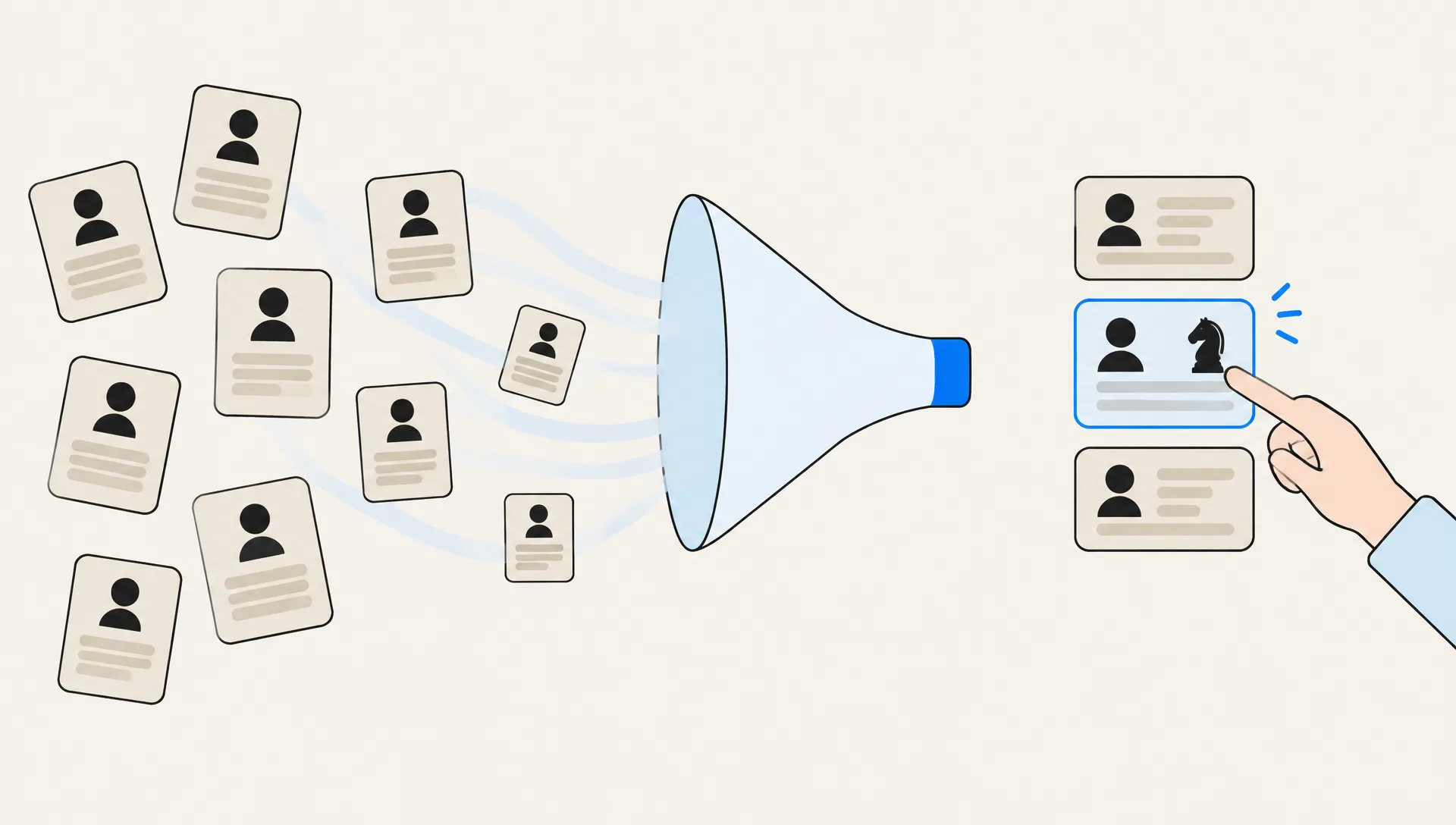
Does AI choose on its own, or just build the list?
The CreatorIQ report adds a nuance. Creator relationships, creative direction and vetting are among the tasks marketers are least willing to hand over to AI. And more money is at stake: its press release says average reported influencer marketing budgets grew 171% in a year, nearly tripling.
What it means: AI can open or close the door, but a human still makes the final call (our reading). What to do: look after both readers. The machine needs clear facts; the person needs proof, such as results, examples and an easy way to reach you.
If you also make creator content for ads, read our guide to AI UGC avatars (content that looks user-made). Why: it shows which parts of a creator's work already compete with AI.
Rule of thumb: facts for the machine, proof for the person.
The Garcai method: a 5-question checklist to see how AI sees you
It takes about 20 minutes as a rough guide, and no coding is needed. Open a fresh chat in ChatGPT and another in Gemini. In a spreadsheet, record the date, the tool, the exact question and the answer.
- Question 1: ‘Who is [your name or brand] and what do they do?’. What to fix: if the description is vague or outdated, update your bio on every profile with the same sentence.
- Question 2: ‘Which creators do you recommend for [your niche] in [your city or country]?’. What to fix: if you're missing, note who appears and what their profiles say that yours don't.
- Question 3: ‘Which brands has [your name] worked with?’. What to fix: if it doesn't know, publish a collaborations page with real names and each brand's permission.
- Question 4: ‘What audience does [your name] have, and on which platforms?’. What to fix: if it invents numbers, publish dated audience figures in your media kit.
- Question 5: ‘Which sources did you use for this answer?’. What to fix: open each source and, if it has old or false details, ask for a correction.
You can do it yourself: the five questions, the tracking sheet and the bio updates on your social profiles. Repeat the check once a month with the same questions. If you want to plan what to publish next, see content strategies in the AI era.
Ask your tech team, or whoever runs your website. Ready-to-send message: ‘I need a page with my bio, niche, collaborations and contact details. It must be plain text, not inside an image or a PDF. Can you have it ready this week?’.
Why plain text: a person, a search engine and an assistant can all read it the same way (editorial recommendation).
Common mistakes
- Checking how a person sees you but never how AI summarizes you.
- Having a different bio on each platform: AI may pick the weakest one.
- Inflating audience numbers: if the brand checks them, you lose the deal.
- Asking one question once: answers change from day to day and from tool to tool.
- Assuming that showing up in an answer secures the contract: a person still makes the final call.
Your profile is no longer read only by a person. Write it so a machine can understand it and a person wants to hire you.
Frequently asked questions
How many brands use AI to choose creators?
According to 5WPR, citing the CreatorIQ survey, 35% of brands and 36% of agencies. They use it to find creators, review them or check brand fit.
How do I know whether AI recommends me as a creator?
Ask ChatGPT and Gemini which creators they recommend for your niche and city, in fresh chats. Record the date and repeat the check every month, because answers change.
How do I get AI to recommend me to brands?
No action can ensure it. As an editorial recommendation, describe your niche, audience and collaborations clearly and in the same words on every profile.
Does this affect small businesses and agencies too?
Yes: according to the same source, 36% of agencies also use AI to choose creators. Checking how AI describes you is just as useful for a brand as for a person.