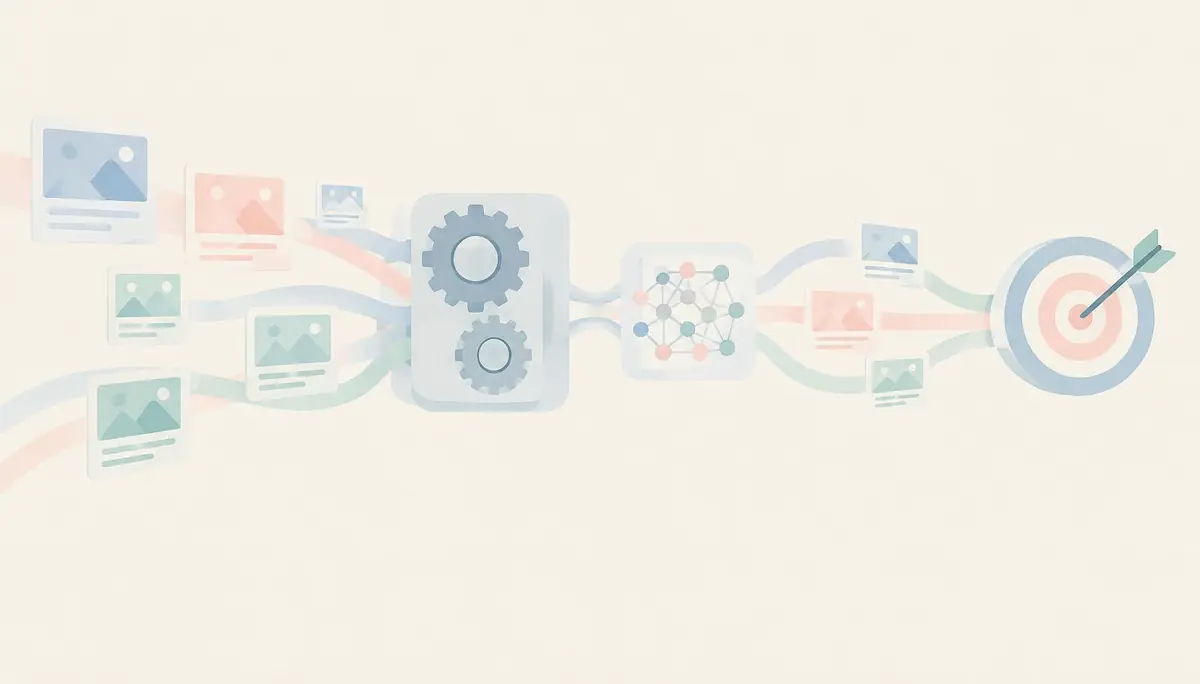
What is GEO and how to get ChatGPT, Perplexity and Gemini to cite your website: a practical guide
GEO (Generative Engine Optimization) means optimizing content so AI assistants cite it. What research says, what OpenAI and Google require and a 10-point checklist.

By Rubén García · October 11, 2026 · 3 min

GEO (Generative Engine Optimization) is the set of practices that get an AI assistant, such as ChatGPT, Perplexity, Gemini or Google's AI Overviews, to use your content as a source and cite it in its answer. SEO aims to put you in a list of results; GEO aims to put you inside the answer. They don't replace each other: solid technical SEO is the foundation GEO works on.
800M
ChatGPT weekly users (Oct 2025)
up to 40%
more visibility in answers with GEO techniques
~24 h
for ChatGPT to apply robots.txt changes
What the research says
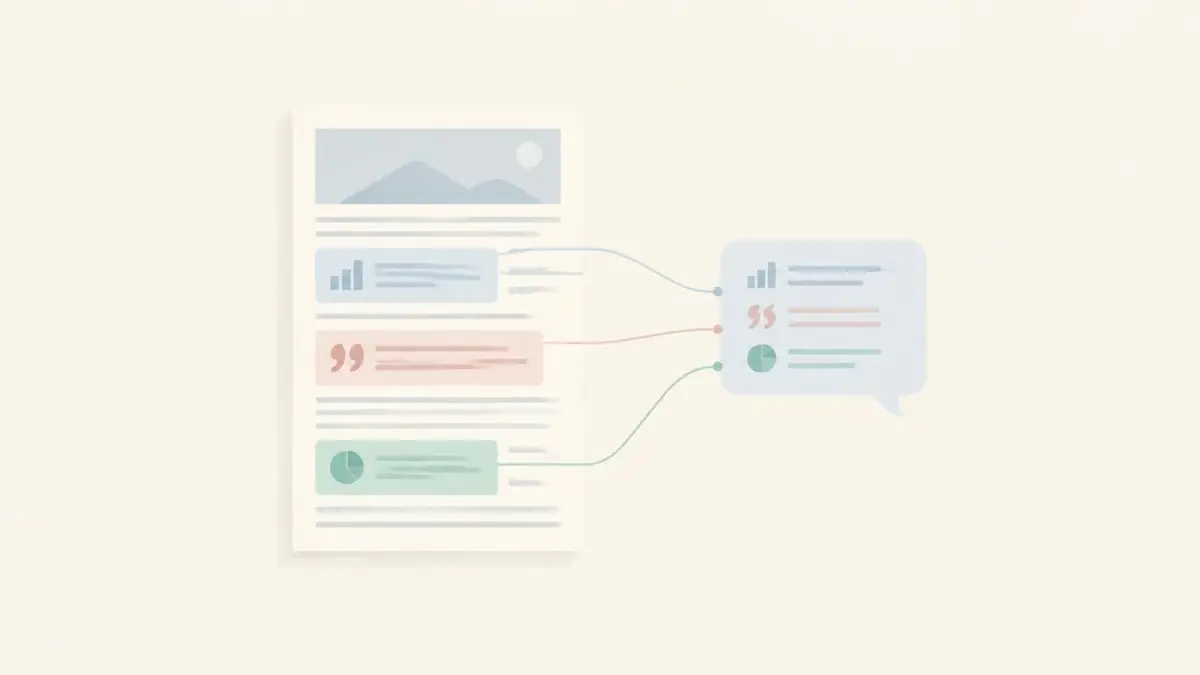
The term was coined by a team from Princeton, Georgia Tech, the Allen Institute and IIT Delhi in a paper presented at KDD 2024. They tested nine optimization techniques over thousands of queries and measured how much each source appeared in generated answers. The best performers were adding statistics, including expert quotations and citing reliable sources, with visibility gains of up to 40%. Keyword stuffing, by contrast, barely helped or made things worse.
Source: Aggarwal et al., KDD 2024 (indicative values)
What OpenAI and Google require
OpenAI's publisher documentation says any public website can appear in ChatGPT search, as long as it doesn't block the OAI-SearchBot crawler in robots.txt. It's separate from GPTBot, used for training: you can allow one and block the other. Google says there are no special requirements for its AI features beyond SEO best practices. We analyze the impact of AI Overviews in SEO with AI Overviews.
Your take, in one click
Do you get traffic from ChatGPT or Perplexity?
10-point GEO checklist
- Answer the main question in the first two sentences.
- Include a key-takeaways summary at the top.
- Add data with figure, date and linked source.
- Use subheadings phrased as real questions.
- Define concepts in one clear sentence ("X is…").
- Add an FAQ section.
- Sign with a real author who has an author page.
- Link internally to related concepts and articles.
- Allow OAI-SearchBot, PerplexityBot and Googlebot in robots.txt.
- Update data and the date when they change.
How to measure whether you're cited
ChatGPT automatically adds utm_source=chatgpt.com to the links it shows, so you can filter that traffic in Google Analytics. For Perplexity and other assistants, check referral sources. And complement with manual checks: periodically ask each assistant about your topics and note whether you appear.
Common mistakes
- Writing for the machine: keyword-stuffed text that research shows doesn't work.
- Blocking every AI bot without distinguishing search from training.
- Publishing figures without sources: assistants favor verifiable content.
- Hiding content behind JavaScript or walls that prevent crawling.
If you also run ads, the same principle applies to copy: clarity and data. See prompts for ad copy.
Frequently asked questions
What is GEO?
GEO (Generative Engine Optimization) is optimizing content so generative AI engines such as ChatGPT, Perplexity or Gemini use it as a source and cite it in their answers.
How do I appear in ChatGPT?
According to OpenAI, any public website can appear in ChatGPT search if it doesn't block the OAI-SearchBot crawler. From there, clear content with data and sources is more likely to be cited.
Does GEO replace SEO?
No. GEO builds on SEO: crawlable, indexed, reputable pages are the ones assistants find and cite.
How do I know if ChatGPT sends me traffic?
ChatGPT adds utm_source=chatgpt.com to its links, so that traffic appears labeled in Google Analytics.
| Indicator | Figure | Source |
|---|---|---|
| ChatGPT weekly users | 800M | OpenAI vía TechCrunch, 2025 |
| Max visibility lift with GEO | 40% | KDD 2024 |
| Crawler for ChatGPT search | OAI-SearchBot | OpenAI |
| Training crawler | GPTBot | OpenAI |
+3 more data points. Subscribe free to see them.
Interested in GEO and visibility in AI search? Every Thursday at 19:00 (London time), I send you a selection of AI marketing analysis and strategies, including topics like this. Free.
Source: OpenAI · Google · arXiv