AI tools for marketing in 2026: which one to use for each task and what the data says
Two in three marketers already use AI, but only 6% of European teams have matured it. Which tool fits each task and how to build a stack that works.

By Rubén García · October 2, 2026 · 3 min
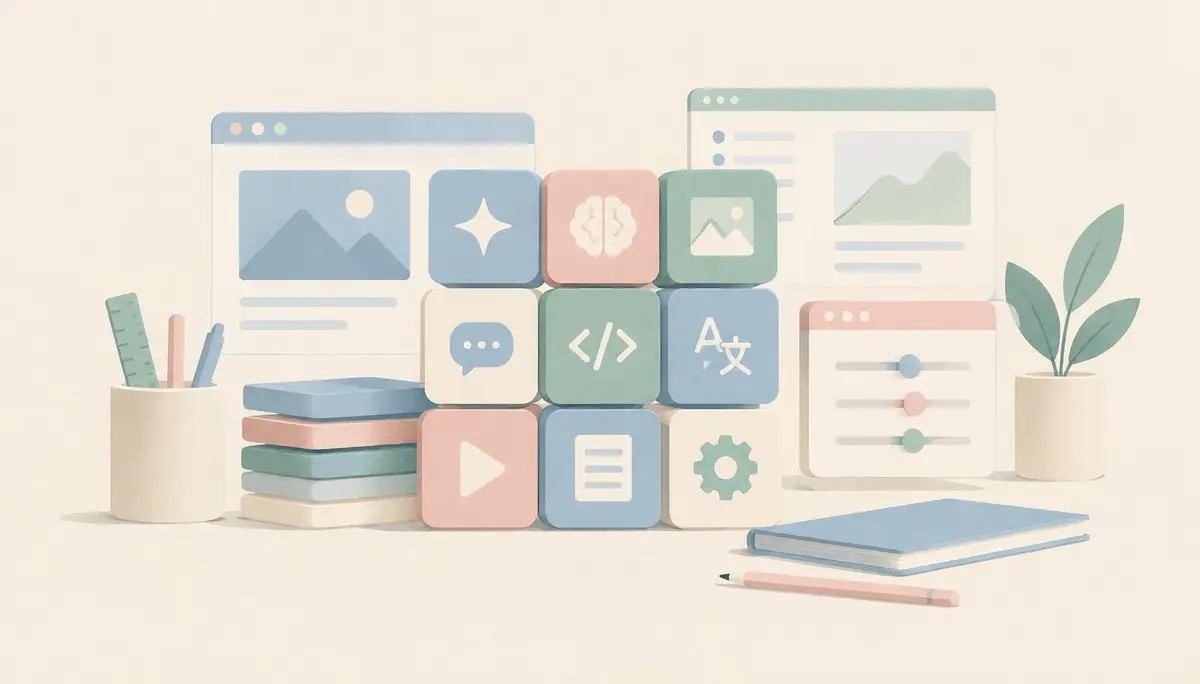
Using AI is no longer an edge: according to HubSpot, two in three marketers worldwide use it at work. The edge is in how. McKinsey estimates only 6% of European marketing teams are mature in generative AI, and they already get around 22% efficiency gains. This guide sorts the tools by task, explains where each excels and how to combine them.
2 in 3
marketers already use AI (HubSpot, 2025)
6%
European teams mature in generative AI (McKinsey)
+22%
efficiency in those mature teams (McKinsey)
800M
ChatGPT weekly users, Oct 2025
Research: Perplexity and ChatGPT
Perplexity searches the web and answers with cited sources, which makes it useful for market or competitor research and fact-checking. ChatGPT, with 800 million weekly users in October 2025, is for analyzing documents, summarizing, preparing briefs and exploring ideas. In both cases, verify figures at the original source before publishing.
Writing and strategy: Claude and Gemini
Claude excels at long-form copy, analyzing long documents and keeping brand voice. Gemini integrates with Google Workspace to work directly on your docs, emails and spreadsheets. To get the most out of them for ads, follow a clear prompt structure, as explained in our guide to prompts for ad copy.

Design and video: Canva Magic Studio and video generators
Your take, in one click
Which AI tool do you use most in marketing?
Canva Magic Studio generates and resizes visuals for every format in minutes while respecting your brand kit. For video, the choice depends on the final format; we compare it in detail in our AI video tools comparison.
Data and prospecting: Clay
Clay enriches lead lists by combining dozens of data sources and lets you personalize outreach at scale with AI. It's the central tool of what's being called GTM engineering; we analyze it in our Clay guide.
Automation: n8n, Zapier and Make
n8n, Zapier and Make connect the tools above into automated workflows, e.g. form → CRM → personalized email → team alert. n8n can be self-hosted and add AI model steps; Zapier is the easiest to start with; Make offers a very flexible visual editor.
How to build your stack step by step
- List the repetitive tasks in your week and how long they take.
- Pick one tool per task, not the other way round.
- Document the AI process (prompt, review, publish) so anyone on the team can repeat it.
- Measure time saved and quality for a month.
- Only then automate the connections between tools.
Frequently asked questions
What is the best AI tool for marketing?
There's no single one. Perplexity and ChatGPT for research, Claude and Gemini for writing, Canva for design, Clay for prospecting and n8n or Zapier for automation.
How many marketers use AI?
According to HubSpot, two in three marketers use AI at work. McKinsey estimates only 6% of European teams are mature in it.
Is ChatGPT or Claude better for marketing?
It depends on the task. ChatGPT is very versatile for analysis and ideas; Claude excels at long-form copy and consistent brand voice.
| Task | Tool | Main use |
|---|---|---|
| Research | Perplexity | Search with cited sources |
| Analysis | ChatGPT | Summaries and briefs (800M weekly users) |
| Writing | Claude | Long-form copy and brand voice |
| Office work | Gemini | Google Workspace integration |
+3 more data points. Subscribe free to see them.
Interested in AI marketing tools? Every Thursday at 19:00 (London time), I send you a selection of AI marketing analysis and strategies, including topics like this. Free.
Source: HubSpot · McKinsey · Marketing AI Institute · TechCrunch