AI-generated ads: do 44% of shoppers really avoid those brands?
AI-generated ads: 44% of Americans say they go out of their way to buy from brands that don't use them. What the study really measures, and 5 checks before you publish yours.

By Rubén García · November 3, 2026 · 5 min

AI-generated ads have a trust problem, but not the one the headline suggests. According to Auros, 44% of Americans go out of their way to buy from brands that don't use AI in their ads. My take: people don't reject AI, they reject feeling misled. And that's in your hands.
44%
of Americans say they go out of their way to buy from brands that don't use AI in their ads (Auros)
53%
don't trust a product advertised with AI to be described accurately (Auros, US)
20%
correctly identified real products enhanced with AI (Auros, US)
What does the study say about AI-generated ads?
The company Auros commissioned the survey from Talker Research and published it on 16 October 2026. They asked 4,000 adults in the US, the UK and Australia. The US part, with 2,000 people, ran from 26 August to 1 September.
44% of Americans say they go out of their way to buy from brands that don't use AI in their advertising. In the UK it's 48% and in Australia 45%. On top of that, 43% of Americans have felt misled at some point by a product advertised with AI.
What it means: a large share of your customers distrust what they see in an AI-generated ad. What to do: check what your ads show before you publish them. Why: if the product that arrives doesn't look like the one in the ad, you lose the customer and their trust.
Rule of thumb: the ad can be AI; the product, never.
Do consumers really avoid brands with AI ads?
We don't know, and the headline stretches it a little. The study measures what people say, not what they buy. It's also a survey commissioned by a company, not an experiment with real purchases.
Another figure puts it in context. Only 20% correctly identified real products enhanced with AI, and 60% thought the whole product was made up. In other words, many people can't really tell what is AI and what isn't.
Gartner points the same way: 50% of 1,539 US consumers prefer brands that don't use generative AI in what they publish. The survey was carried out in October 2025.
If you want to see why trust matters so much, read our analysis of trust in AI recommendations.
Should your brand stop using AI in its ads?
No. According to the same study, 53% of Americans say AI has already helped them shop. Bobby Meixner of Auros sums it up: people reject AI being used on them, not AI being used for them.
Your take, in one click
Do you trust an ad if you can tell it's made with AI?
My take: the problem isn't the tool, it's the false promise. If AI helps you make the ad faster, nobody complains. If the ad shows a nicer sofa than the one that arrives, they do.
To use it well, see how to turn a real photo into a video ad without changing the product. And if you're thinking of AI-made people, first read our guide to AI avatars in ads.
Rule of thumb: use AI to prepare the ad, not to invent the product.
Source: Auros and Talker Research, 2,000 US adults, 26 August to 1 September 2026.
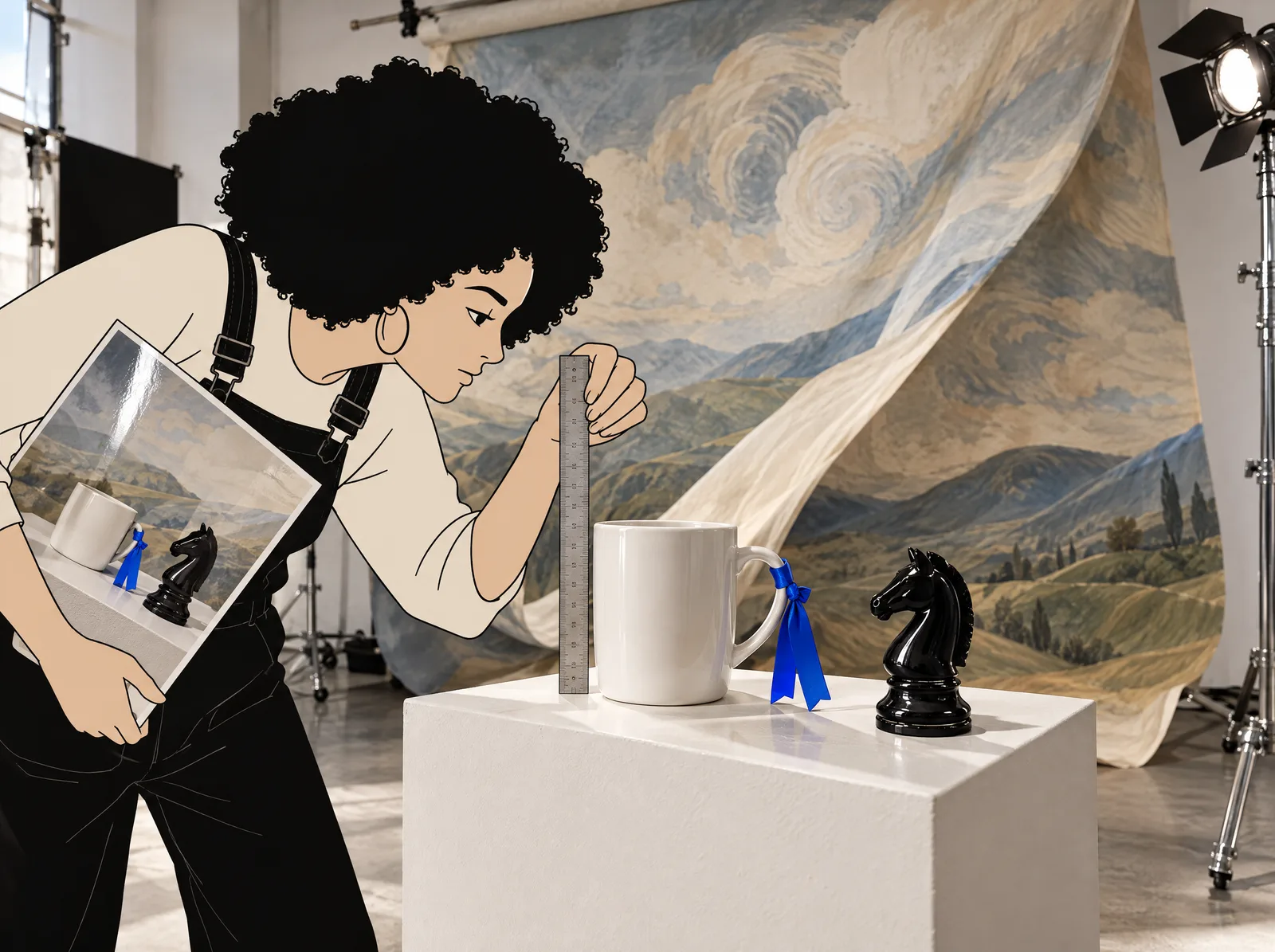
The Garcai method: 5 checks before you publish an AI-generated ad
It takes ten minutes per ad. No technical knowledge required.
- Compare the product in the ad with the real one: same colour, size and finish.
- If AI changes the product, don't use it for that part. Use it for the background, the copy or the ad versions.
- If a made-up person or scene appears, say so. Meta, TikTok and YouTube have labels to flag that something is made with AI.
- Run two versions at once, one with a real photo and one with AI. Keep the one that sells more, not the one people like more.
- Read the comments in the first week. If someone writes ‘this is AI’ more than once, review the piece.
You can do it yourself: all five checks, with the ad in front of you and the product in your hand.
Ask your tech team or your agency if they run your ads. Ready-to-send message: ‘Before we publish, can you show me which parts of the ad are made with AI?’
Common mistakes when publishing AI-generated ads
- Reading ‘44% avoid these brands’ when the study asks about what people say they do.
- Thinking the problem is AI rather than the false promise.
- Retouching the product with AI until it no longer looks like the real one.
- Hiding that a person in the ad doesn't exist.
- Measuring only likes and forgetting sales and returns.
- Choosing a tool without comparing: our comparison of AI video tools for ads can help.
Using AI in your ads doesn't lose you customers; misleading them does. Show the real product, say when something is made up and measure what you sell. And remember: use AI to prepare the ad, not to invent the product.
Frequently asked questions
Is it true that 44% avoid brands that use AI in their ads?
The Auros study says 44% of Americans go out of their way to buy from brands that don't use it. That's what people say, not what they actually buy.
Should I stop using AI in my ads?
No. Use it to prepare the ad, but always show the real product and say so if a person or scene is made up.
Can people tell when an ad is made with AI?
Not very well. Only 20% of Americans correctly identified real products enhanced with AI.
Do I have to say an ad is made with AI?
If a made-up person or scene appears, it's the honest thing to do. Meta, TikTok and YouTube have labels for it.